
Potato Grading & Washing Line
LEV SWEDEN
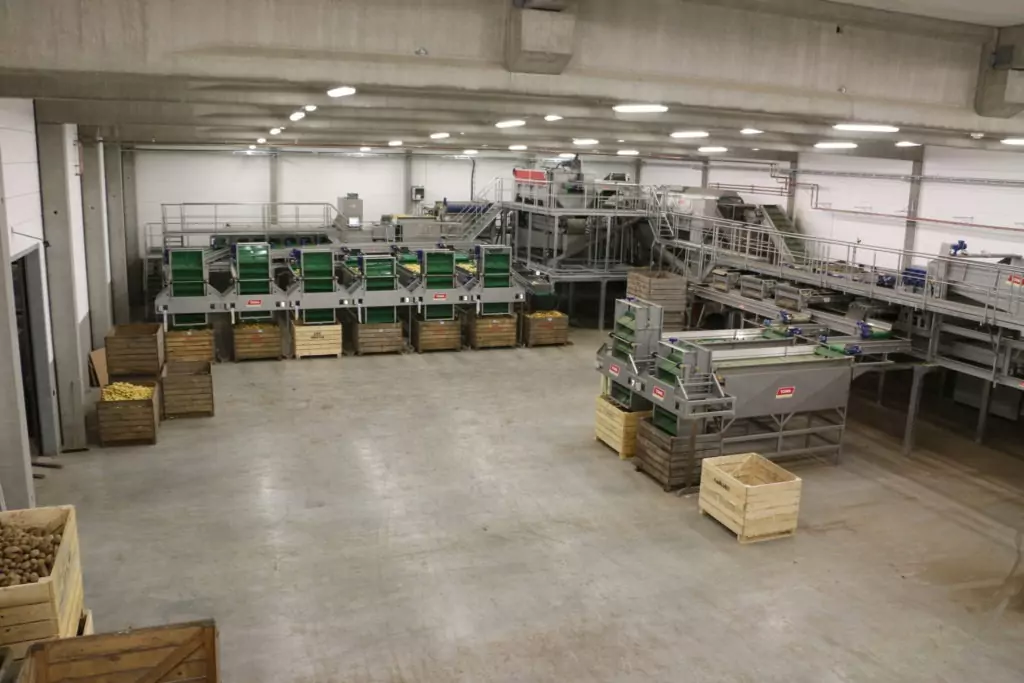
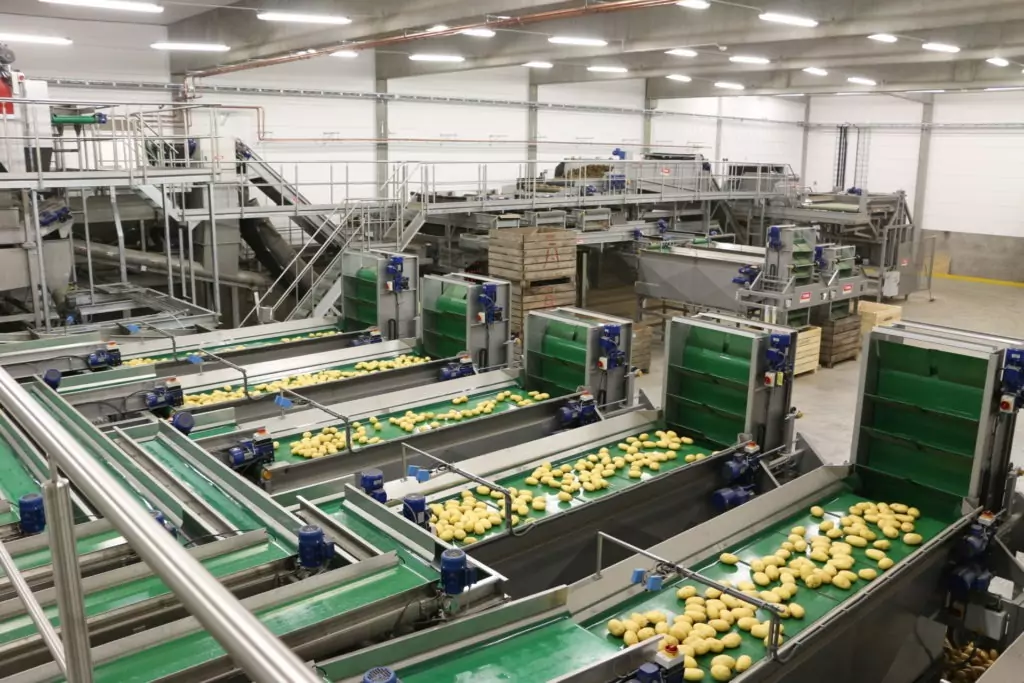
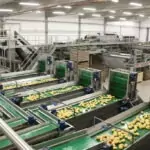
One of Sweden’s largest potato growers and processors, LEV, chose Tong Engineering when upgrading it’s potato grading and washing facility for increased throughput and a higher specification end product.
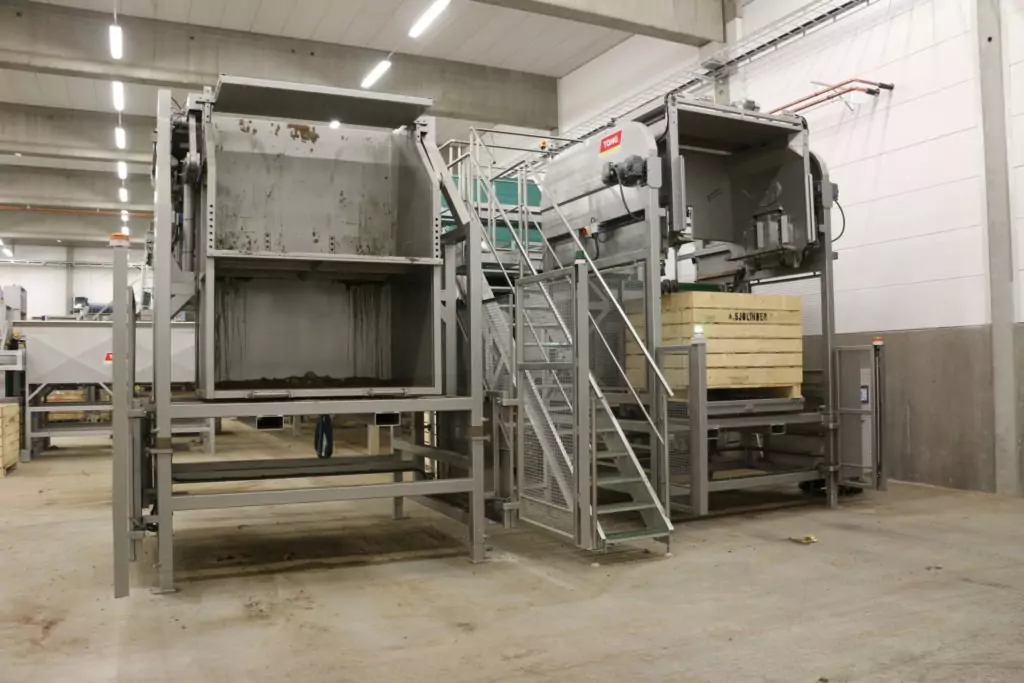
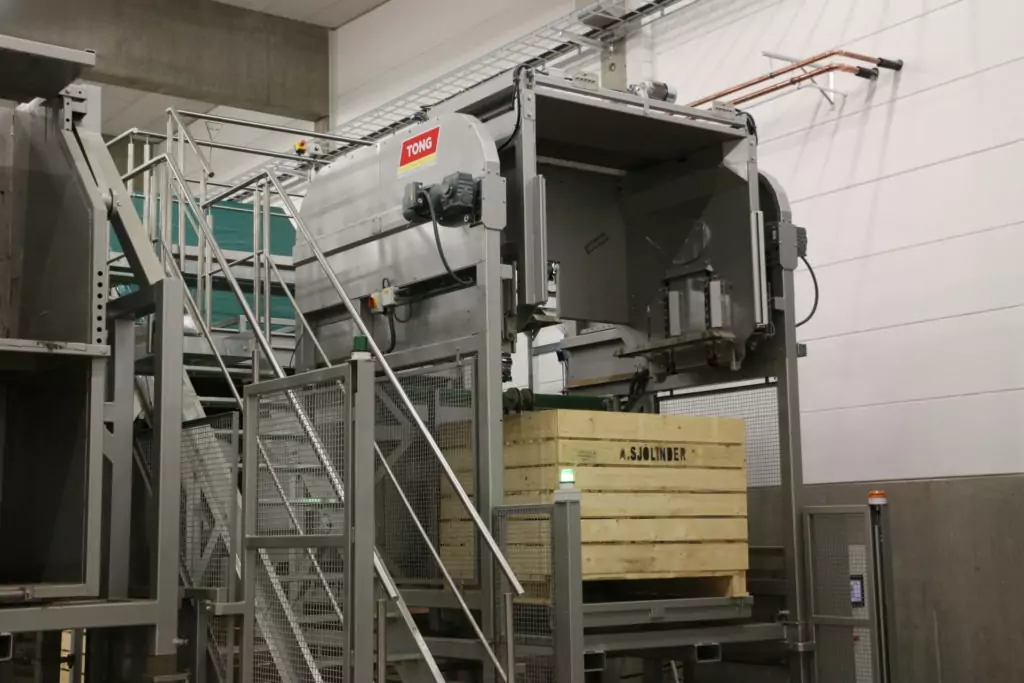
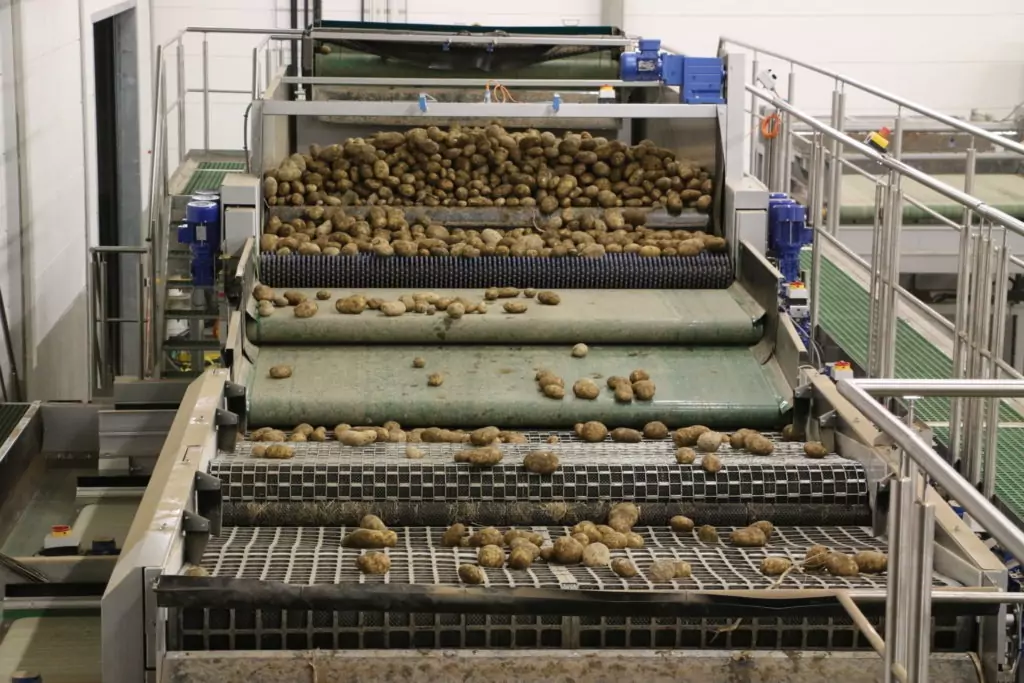
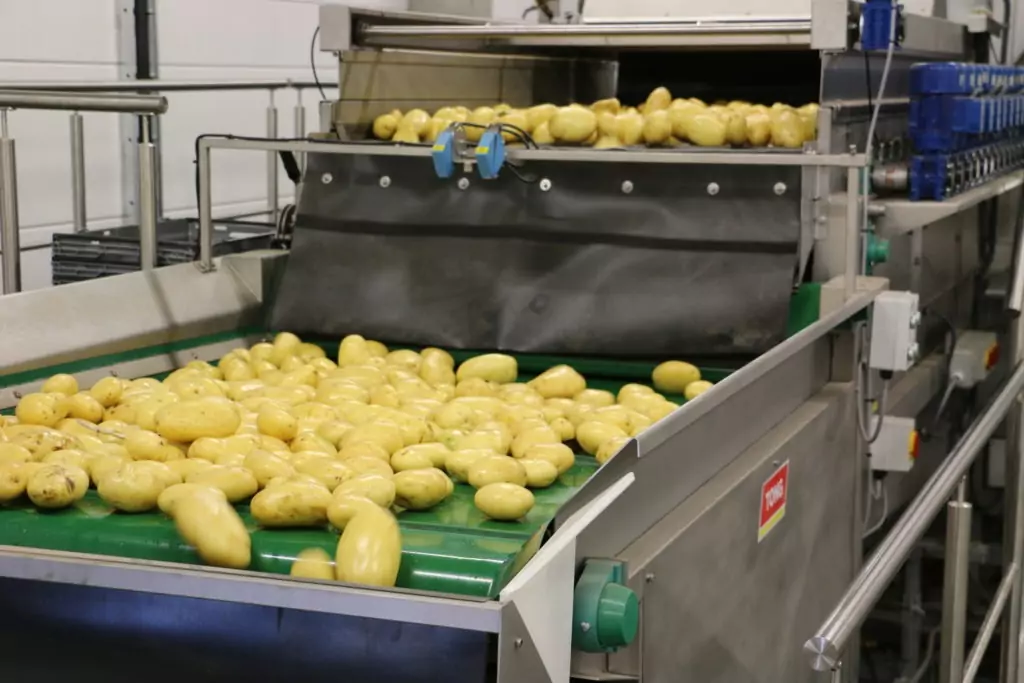
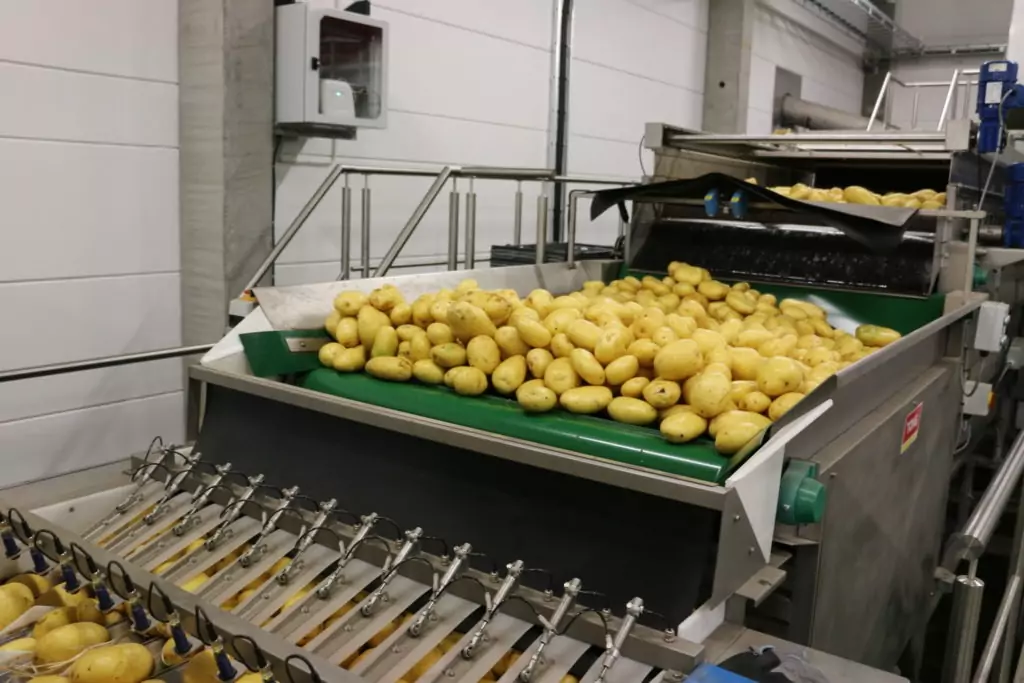
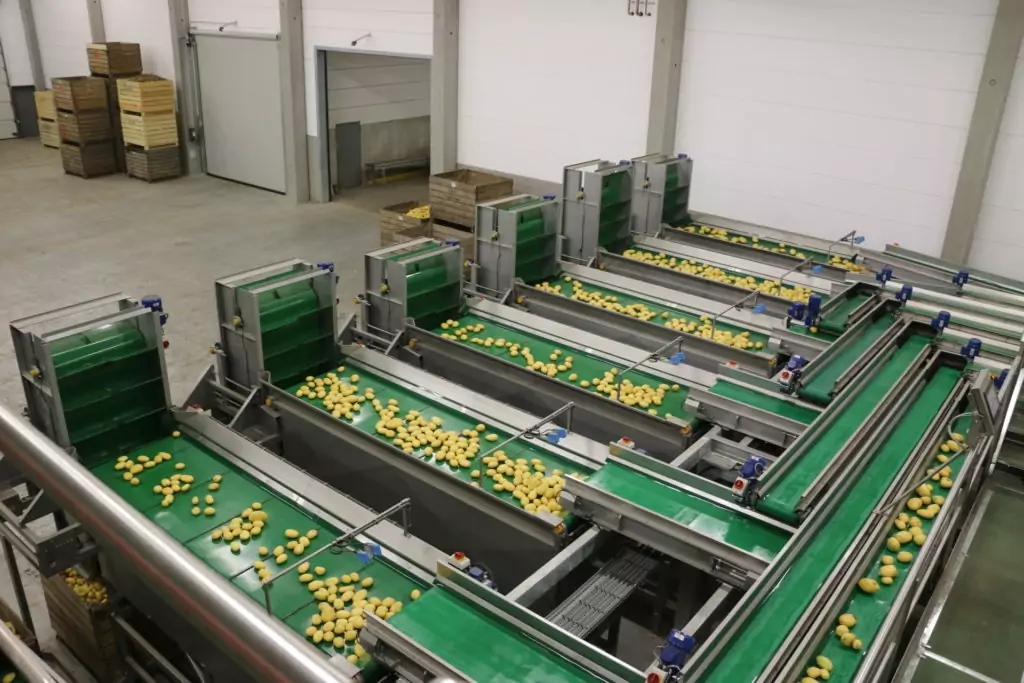
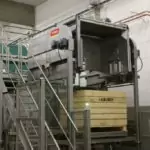
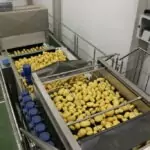
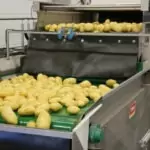
Incorporating Tong’s market leading 160° heavy duty potato box tipper alongside Tong’s latest all-electric Revolver box tipper, both feeding potatoes onto the line, the new grading and handling system sees crop fed evenly onto a PU star cleaning unit by a high-capacity Tong even flow hopper which receives potatoes from the tippers.
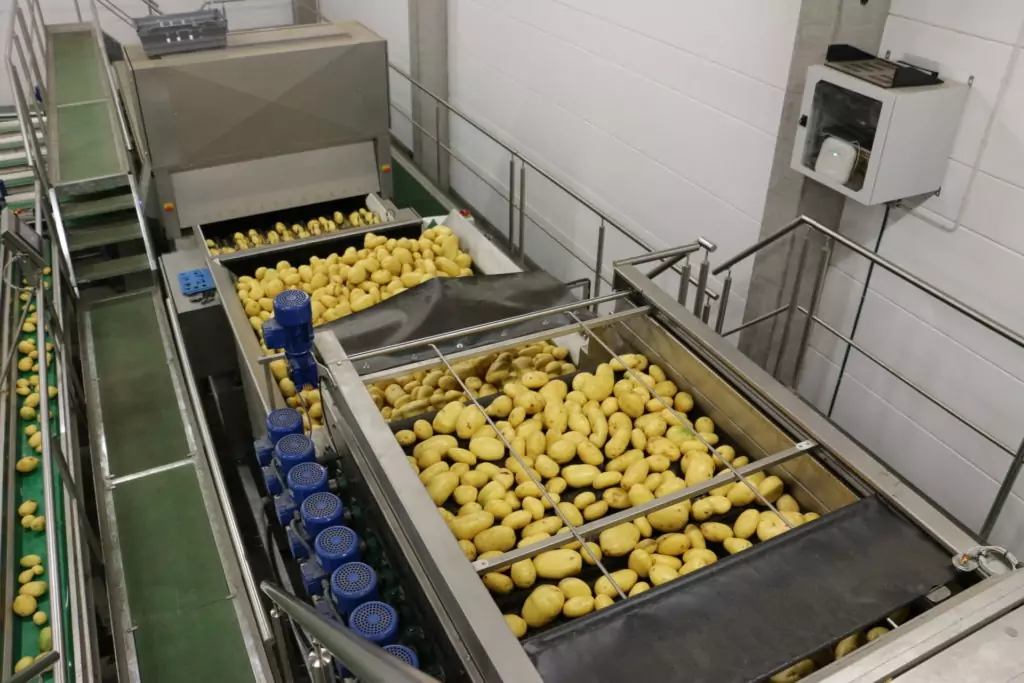
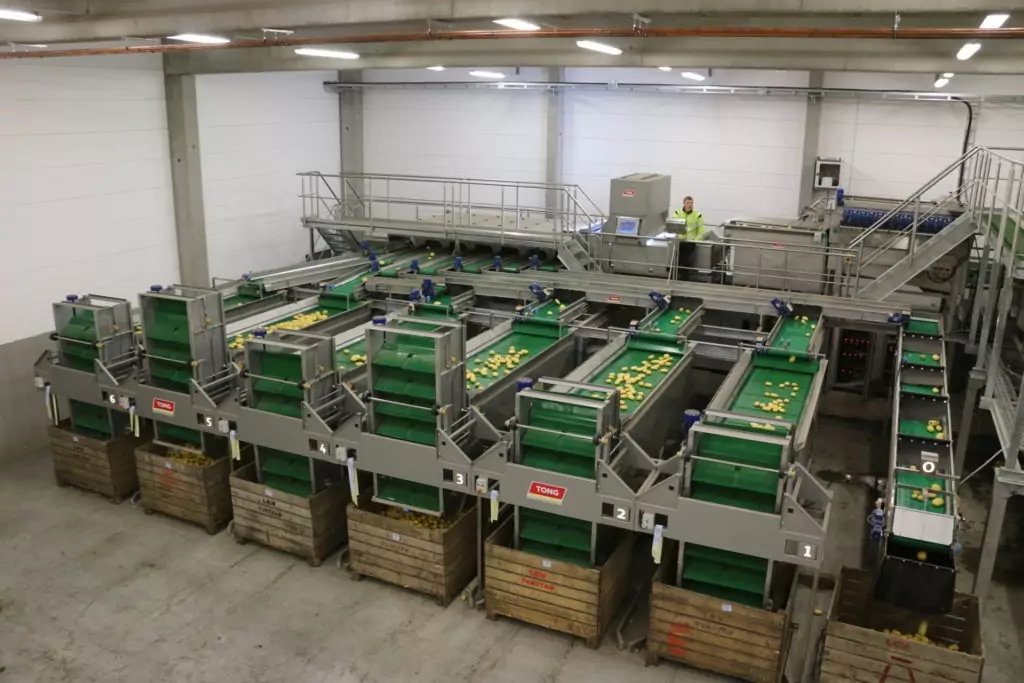
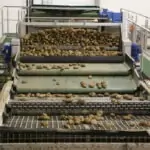
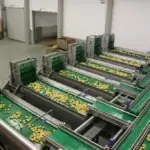
Potatoes are graded on Tong’s EasyGrade screen sizing modules. Potato washing in a new generation Tong potato barrel washer means crop is gently washed before polishing commences with a Martin Maq vegetable polisher, of which Tong is a distributor of.
Efficiency & Productivity
Sweden’s largest potato growers and processors, LEV, chose Tong Engineering
“We have worked with LEV previously, supplying them with a high throughput potato washing system through our Scandinavian dealer Bo Adolfsson, so we have an ongoing relationship with the company and know how they like to work,” said Charlie Rich, Export Sales Manager at Tong Engineering.
Local support
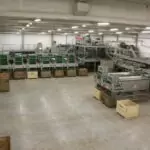
“When it came to upgrading their grading and washing facilities this time, we needed to ensure that all the processes they required could be carried out in one building. Although the measurements were a little tight, we have designed a potato grading and washing line that utilises the space most efficiently and means they can now process between 30 and 40 tonnes of crop per hour.”
“Our installation engineers travelled to Sweden to install and commission the line, and our dealer Bo Adolfsson will continue to offer local support for any future sales and service requirements they may have,” added Charlie.
High Capacity
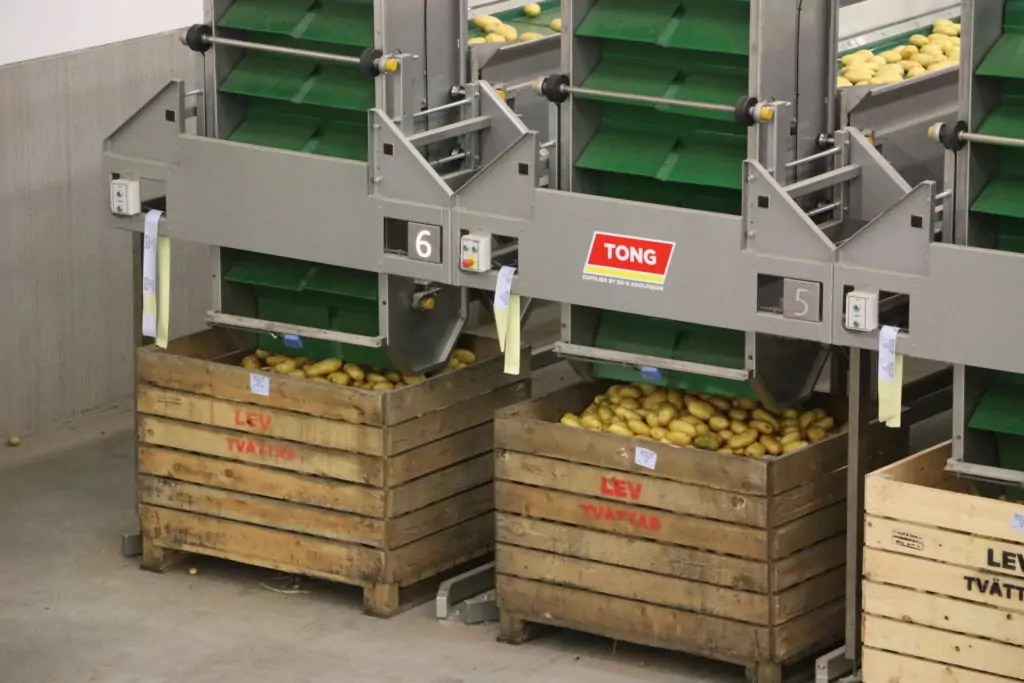
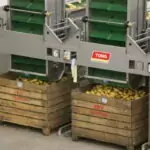
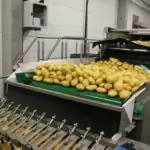
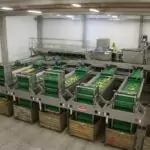
After polishing, crop is dried on a latest-design Tong sponge dryer which features a Blue Inverter Technology direct driven motor on every shaft for optimum efficiency and easy maintenance. Crop is then optically sorted via a high capacity optical potato sorter before it is gently fed into boxes with Tong’s single box fillers.